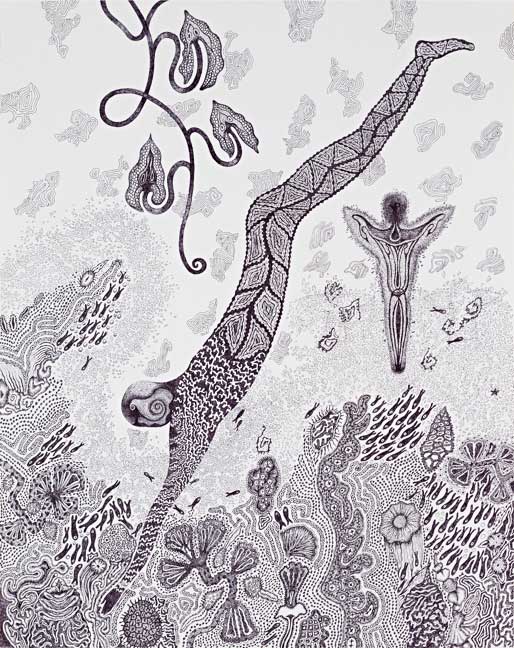
Prison Arts Project
Fostering community by embracing the transformative power of the arts
Mission
This administrative office within the California Department of Corrections embraced professional teaching artists, who worked alongside Institution Artist Facilitators, offering diverse programs in visual, literary, and performing arts disciplines. Despite facing setbacks during budget crises in 2003 and subsequent cuts in 2010, the William James Association persisted, supported by private funding. Collaborating with California arts organizations since 2013, they revitalized Arts-in-Corrections, ensuring fine arts programming in all 35 of California’s prisons. Today, WJA’s Prison Arts Project empowers incarcerated individuals with transformative arts programs. Through reconnecting with families, cultivating social and communication skills through theater and creative writing, and contributing to their community through the arts, participants are prepared for successful reintegration upon their release. Experience the power of art in rehabilitation and join us in creating a brighter future for those within the correctional system. The prison system punishes negative behaviors but offers little to replace them. The capacity for personal change is great, although daunting within a repressive environment and culture of extreme power imbalance, racism, segregation and manipulation. The Prison Arts Project creates a sanctuary where people experiencing incarceration are treated with respect, courtesy and an openness to their unique expressions as creative human beings.
Arts in Correction Artist Orientation
Discover the multidisciplinary instructional fine arts program of Arts-in-Corrections (AIC) that opens doors of opportunity for incarcerated individuals. Through immersive classes, workshops, and performances, AIC provides hands-on experiences in various fine art and fine craft disciplines. Learn more about being an arts instructor and apply today.
Principles of the Arts In Correction Artist
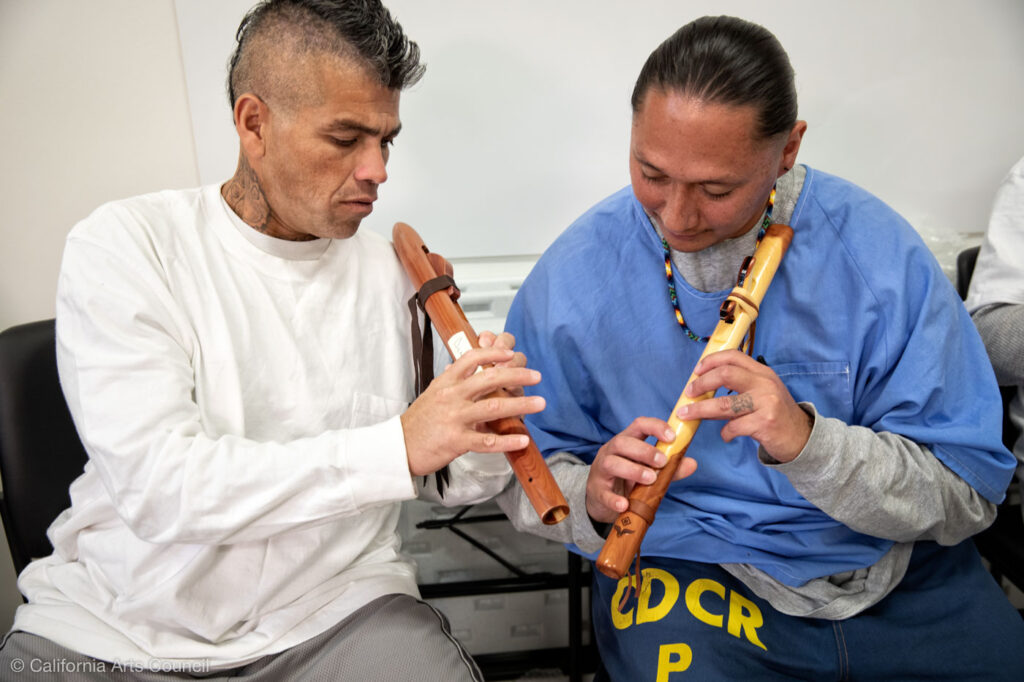
Experience Personal Growth:
Embrace personal expression, cultural diversity, and intellectual exploration while developing communication skills, self-motivation, and critical thinking abilities. Enhance your creative problem-solving skills and embrace the power of constructive criticism to foster growth. Boost your self-esteem and embark on a journey of self-discovery.
The Role of the Artist:
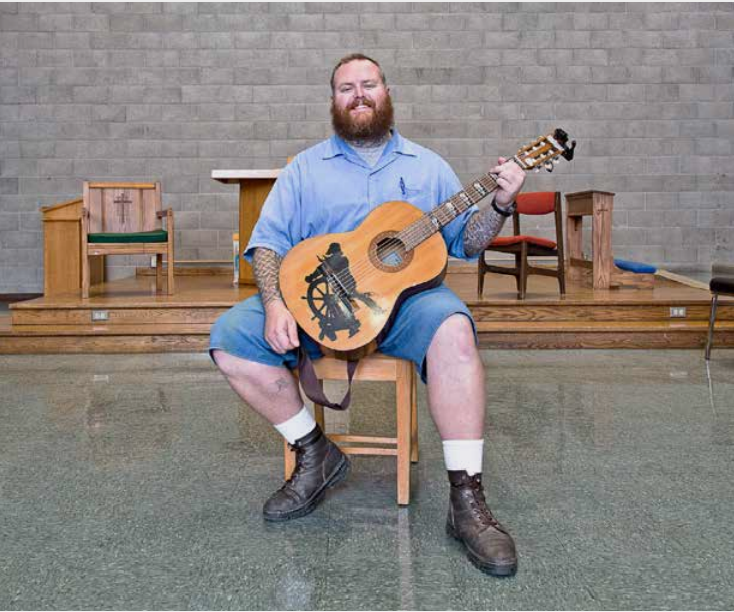
As a professional artist, you are a beacon of inspiration and guidance within the prison environment. Embody commitment, self-motivation, confidence, and sensitivity as you teach, inspire, and encourage personal expression. Create safe space and community while focusing on the transformative power of art. You hold the key to bringing the life-changing gift of art to an underserved population.
Clear and Open Communication:
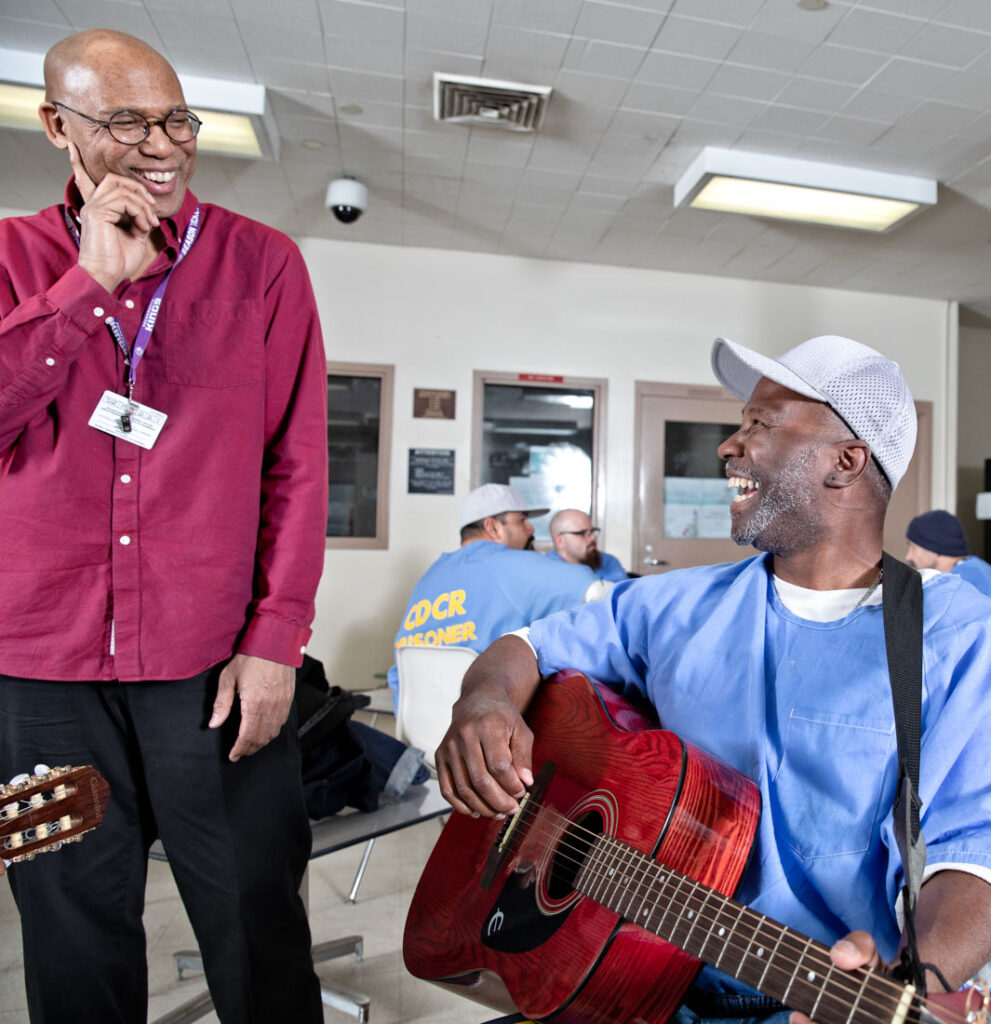
Open dialogue is paramount. Regularly connect with your Supervisor to clarify expectations, address concerns, and ensure a smooth workflow. Transparent communication with the William James Association (WJA) is crucial, as we are here to support you throughout your journey. Maintain boundaries and professionalism in your interactions, avoiding over-familiarity and respecting personal space.
Building Bridges and Representing Privacy :
Gain access to correctional facilities by adhering to protocols. Call ahead to ensure smooth entry, considering potential lockdowns that may restrict inmate attendance. Stay organized and renew your ID annually to maintain your privileges while ensuring to protect confidentiality by refraining from discussing internal matters outside the facility and vice versa. Respect privacy rights by obtaining written release forms before using names, identifying information, or products of resident study. Facilities may provide standard forms for this purpose.
Experience Personal Growth:
Embrace personal expression, cultural diversity, and intellectual exploration while developing communication skills, self-motivation, and critical thinking abilities. Enhance your creative problem-solving skills and embrace the power of constructive criticism to foster growth. Boost your self-esteem and embark on a journey of self-discovery.
The Role of the Artist:
As a professional artist, you are a beacon of inspiration and guidance within the prison environment. Embody commitment, self-motivation, confidence, and sensitivity as you teach, inspire, and encourage personal expression. Create safe space and community while focusing on the transformative power of art. You hold the key to bringing the life-changing gift of art to an underserved population.
Clear and Open Communication:
Open dialogue is paramount. Regularly connect with your Supervisor to clarify expectations, address concerns, and ensure a smooth workflow. Transparent communication with the William James Association (WJA) is crucial, as we are here to support you throughout your journey. Maintain boundaries and professionalism in your interactions, avoiding over-familiarity and respecting personal space.
Building Bridges and Representing Privacy :
Gain access to correctional facilities by adhering to protocols. Call ahead to ensure smooth entry, considering potential lockdowns that may restrict inmate attendance. Stay organized and renew your ID annually to maintain your privileges while ensuring to protect confidentiality by refraining from discussing internal matters outside the facility and vice versa. Respect privacy rights by obtaining written release forms before using names, identifying information, or products of resident study. Facilities may provide standard forms for this purpose.
Craft Disciplines
Connect with Us
Step into a world of creative possibilities, respect, and personal growth. Contact the William James Association today for a transformative experience with Arts-in-Corrections
A Prisoners Rules for Accountable Arts Engagement Vern McKee
Bill Cleveland played a leading role in the Arts-In-Corrections Program in the 80s and subsequently authored Art in Other Places: Artists at Work in America’s Community and Social Institutions.
Bill Cleveland writes, “Vern McKee was president of the both the Art and Musicians Guilds at Vacaville Prison. Back when we started he told us that bringing the arts into Vacaville would save both lives and money. He was right about that. He was also right-on with the advice he gave to me in the summer of 83′. He said that our honeymoon was over and that given the rising tensions in the system, there were a lot of lives at stake with little room for error. Then he shared what I have come to call Vern’s Rules.”